
The Main & Commerce Exchange
Original character.
Future tense.
Four one-of-a-kind buildings made ready for the ideas, people and experiences shaping Houston’s next chapter.
Main & Co treats history as a creative advantage. Irreplaceable architecture gives every space identity; thoughtful restoration and contemporary systems let each room take on a new life. The result is neither a museum nor a period recreation. It is a working place with qualities no new building can manufacture.
1872
The Brewster Building
108 Main · Italianate
The Brewster Building
108 Main · Italianate
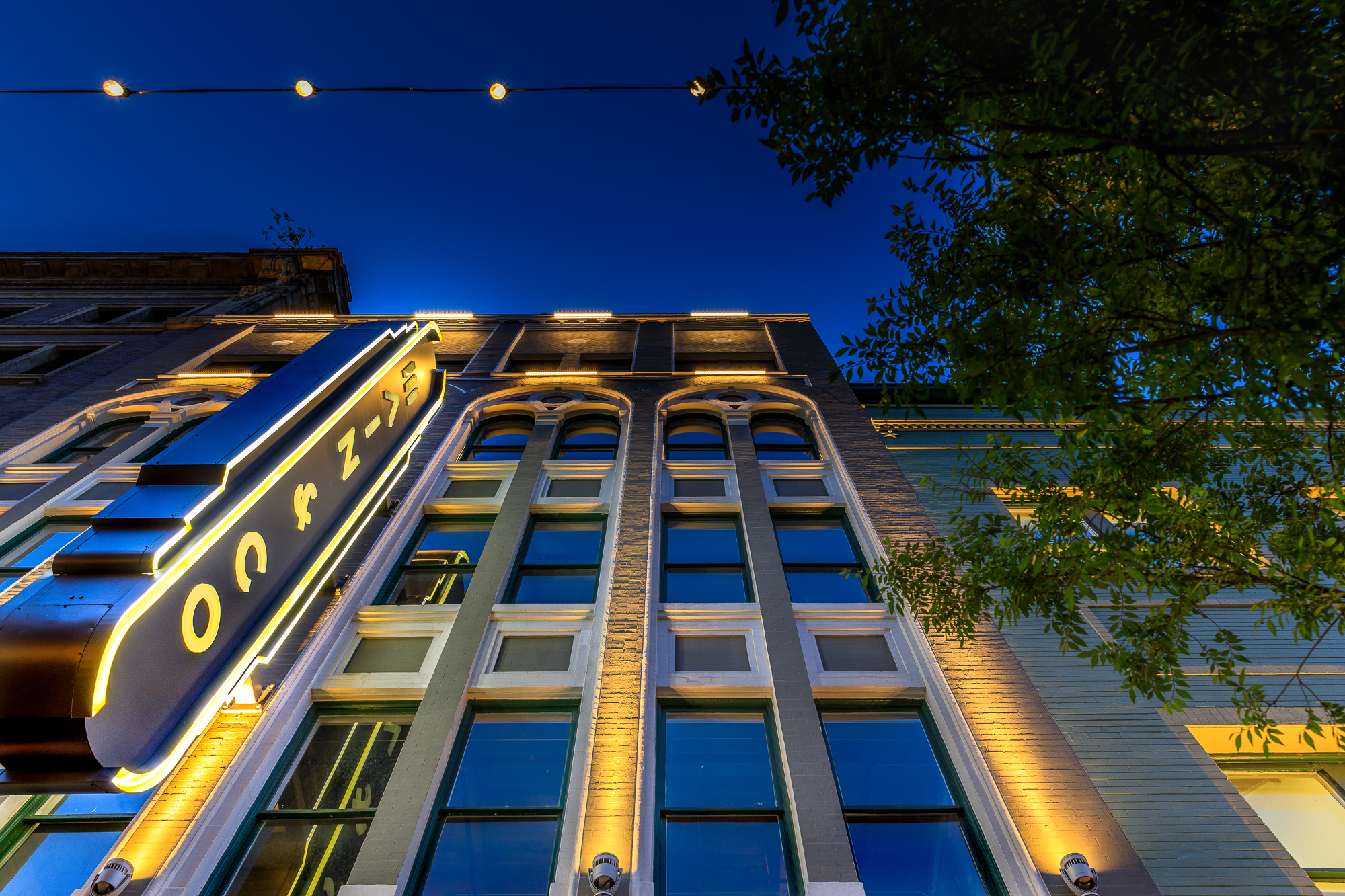
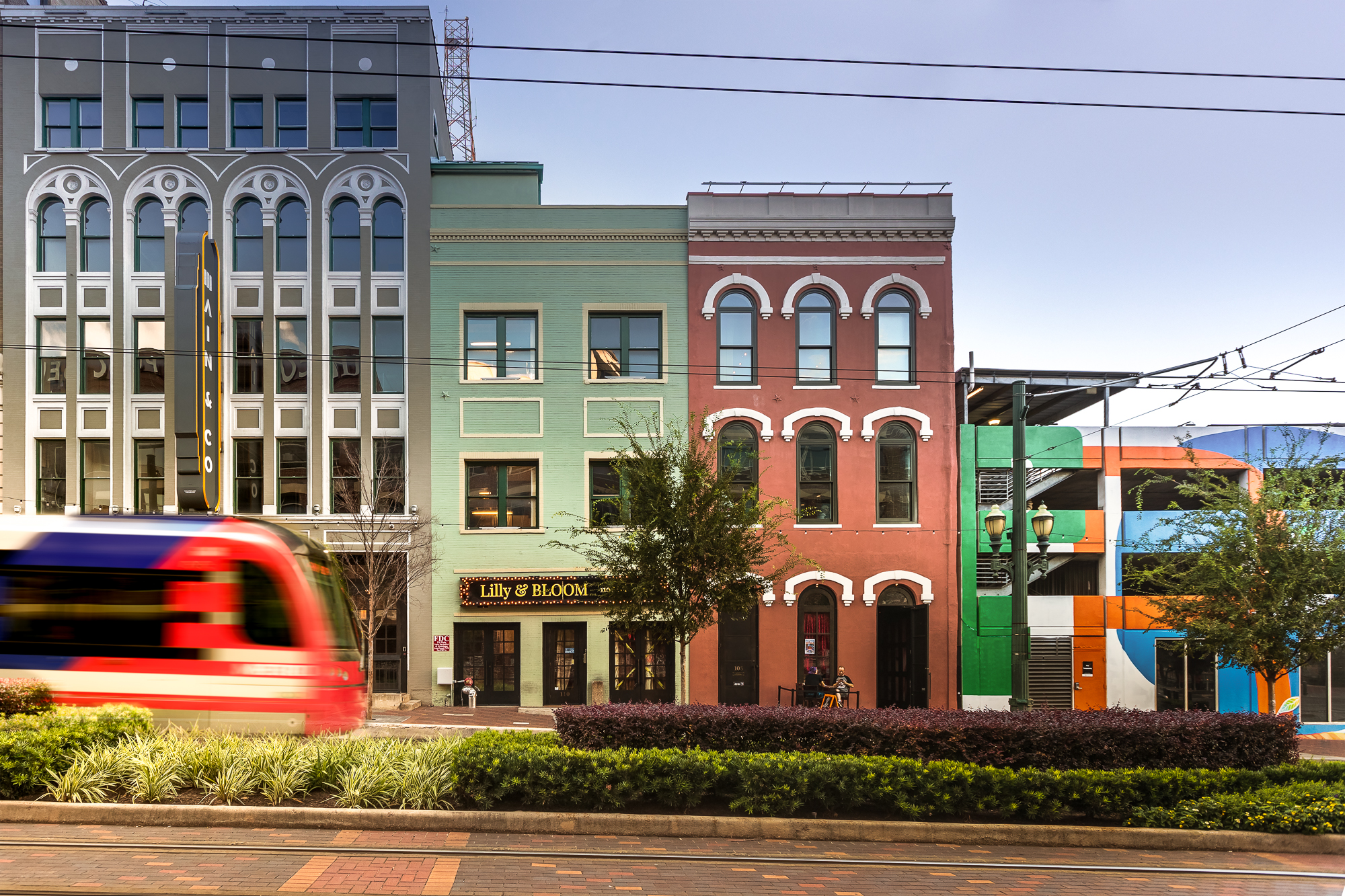
Completed around 1872, the Brewster belongs to the first generation of substantial masonry commercial buildings erected south of Market Square. Its regularly spaced upper windows, brick cornice and narrow frontage reflect the Italianate architecture that shaped Main Street after the Civil War.
Over a long working life, the address served changing mercantile and service businesses as Houston grew around it. Its survival beside later, larger buildings makes the evolution of downtown visible within a single block.
Today, the restored building retains that compact scale and original character while returning the address to active mixed-use life.
1872
The Raphael Building
110 Main · Italianate
The Raphael Building
110 Main · Italianate
Dating to the early 1870s, the Raphael is a contributing Italianate structure in the Main Street/Market Square Historic District. The building takes its name from Raphael Brothers, whose business history is tied to early Houston commerce.
Like its neighbors, it evolved through multiple uses as Main Street moved from a mercantile corridor into a modern business and entertainment district. Its narrow footprint and masonry construction are characteristic of the commercial buildings that once defined this part of Houston.
NewForm’s restoration retained the expressive historic envelope while adapting the interior for new workplaces and street-level activity.
1903
The Dorrance Building
114 Main · Italian Renaissance
The Dorrance Building
114 Main · Italian Renaissance
Completed in 1903 for cotton broker and developer John Maynard Dorrance, the building reflects Houston’s emergence as a regional center of trade. Architects Green and Svarz gave it an Italian Renaissance composition with ordered bays and a pronounced cornice.
A fifth floor was added in 1931, extending the building while keeping the original composition legible. The Dorrance is one of the rare surviving works of Green and Svarz in Houston; their other major survivor is 917 Franklin next door.
Restored as part of Main&Co, it now carries its mercantile-era proportions into contemporary office and ground-floor uses.
1904
Commercial National Bank
917 Franklin · Neoclassical
Commercial National Bank
917 Franklin · Neoclassical
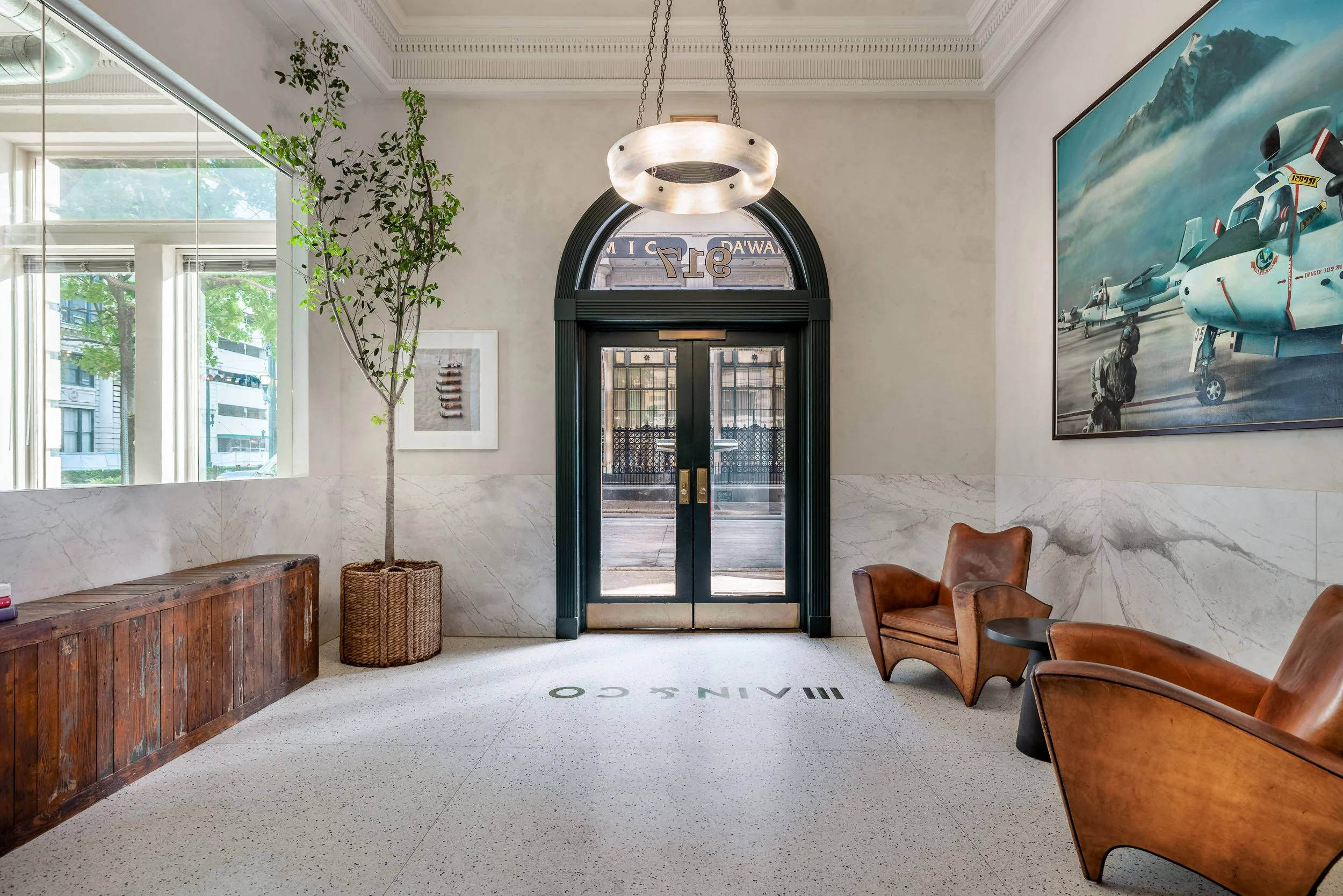
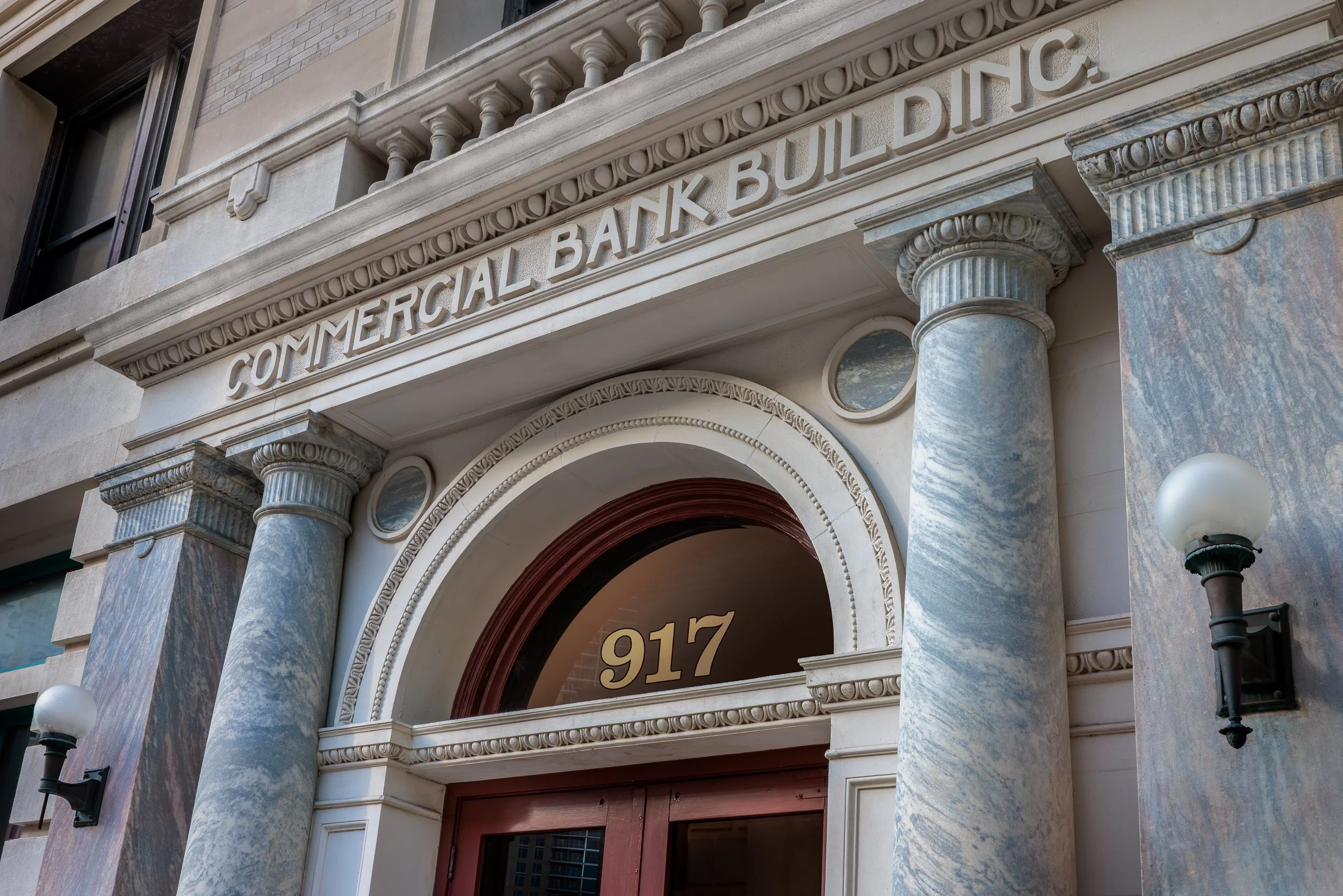
Completed in 1904, 917 Franklin was designed by Green and Svarz for Commercial National Bank and stood among early Houston’s most ambitious business buildings. Commercial National Bank remained until a 1912 merger; the National Bank of Commerce later occupied the building for decades.
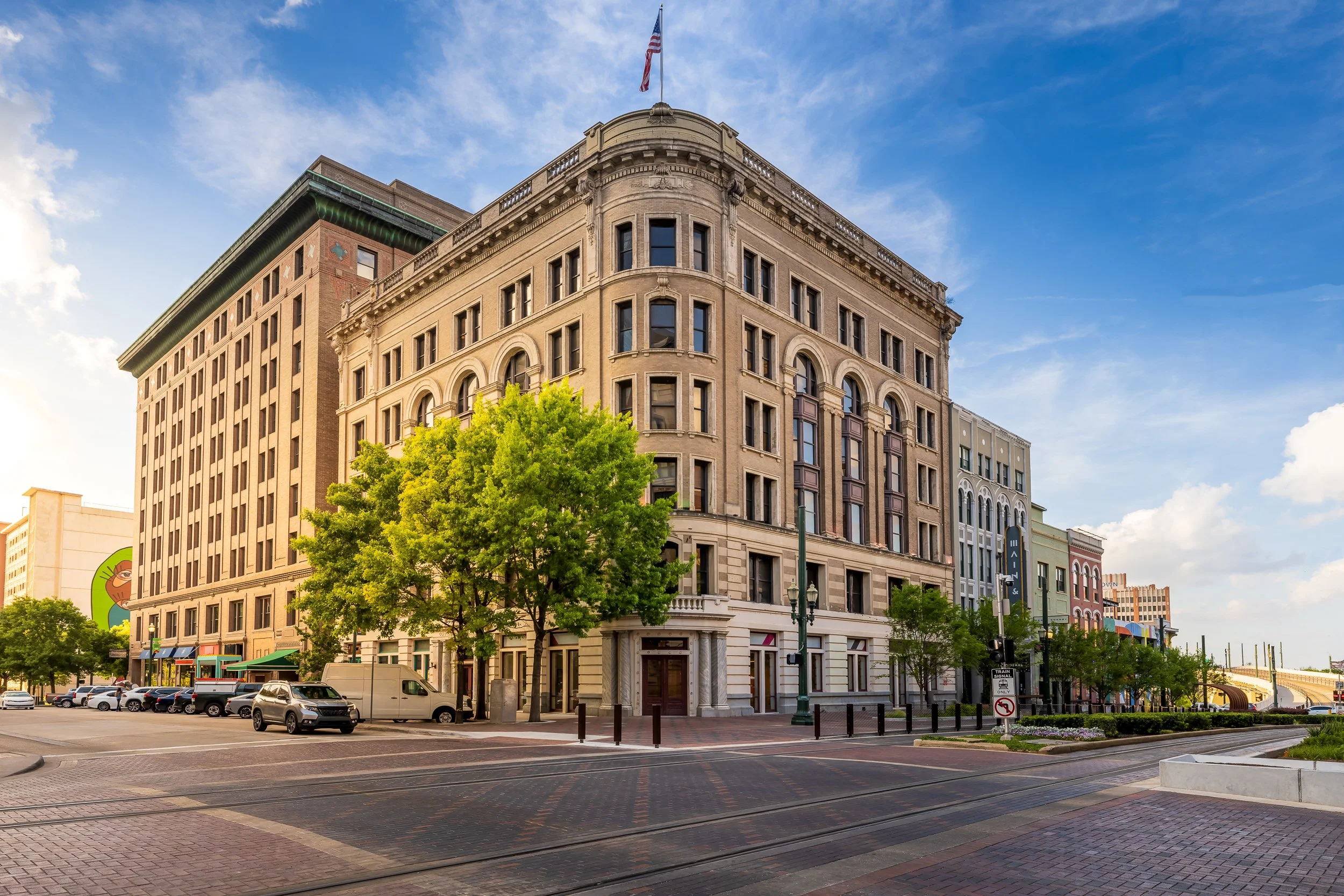
A City of Houston landmark and contributing structure in the Main Street/Market Square Historic District, it is one of the city’s largest surviving Neoclassical buildings. Its load-bearing masonry, internal steel frame and large-scale windows represent an important moment in the evolution of Houston’s early skyscrapers.
NewForm acquired the property in 2023 and completed a comprehensive restoration in 2026, preserving its institutional character while making it work for a new generation of offices, restaurants and cultural life.
The work behind the buildings
Restored as a block.
Reopened to the city.
Main&Co was not created in a single renovation. It was assembled, restored and reactivated over nearly a decade, one building and one deliberate intervention at a time.
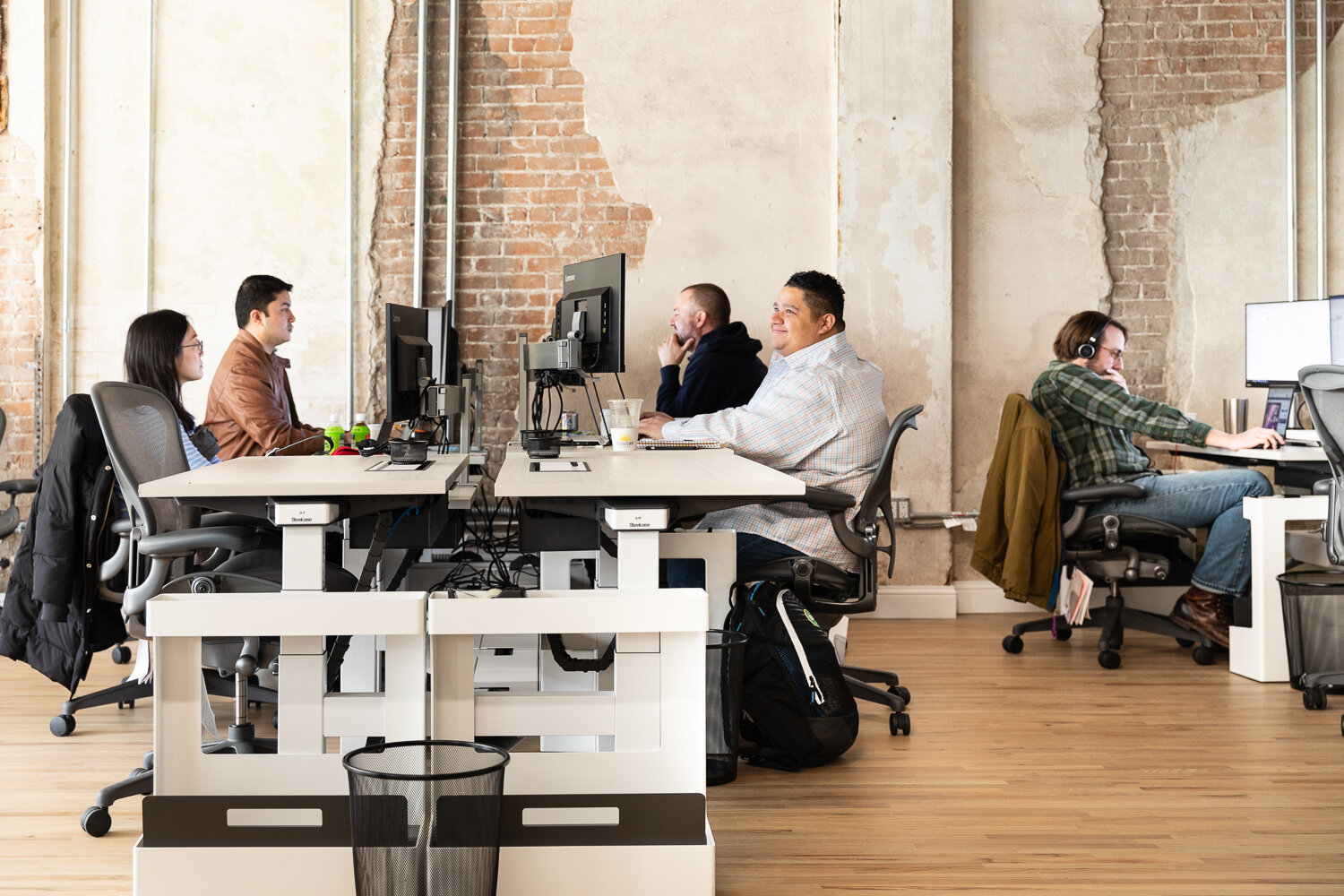
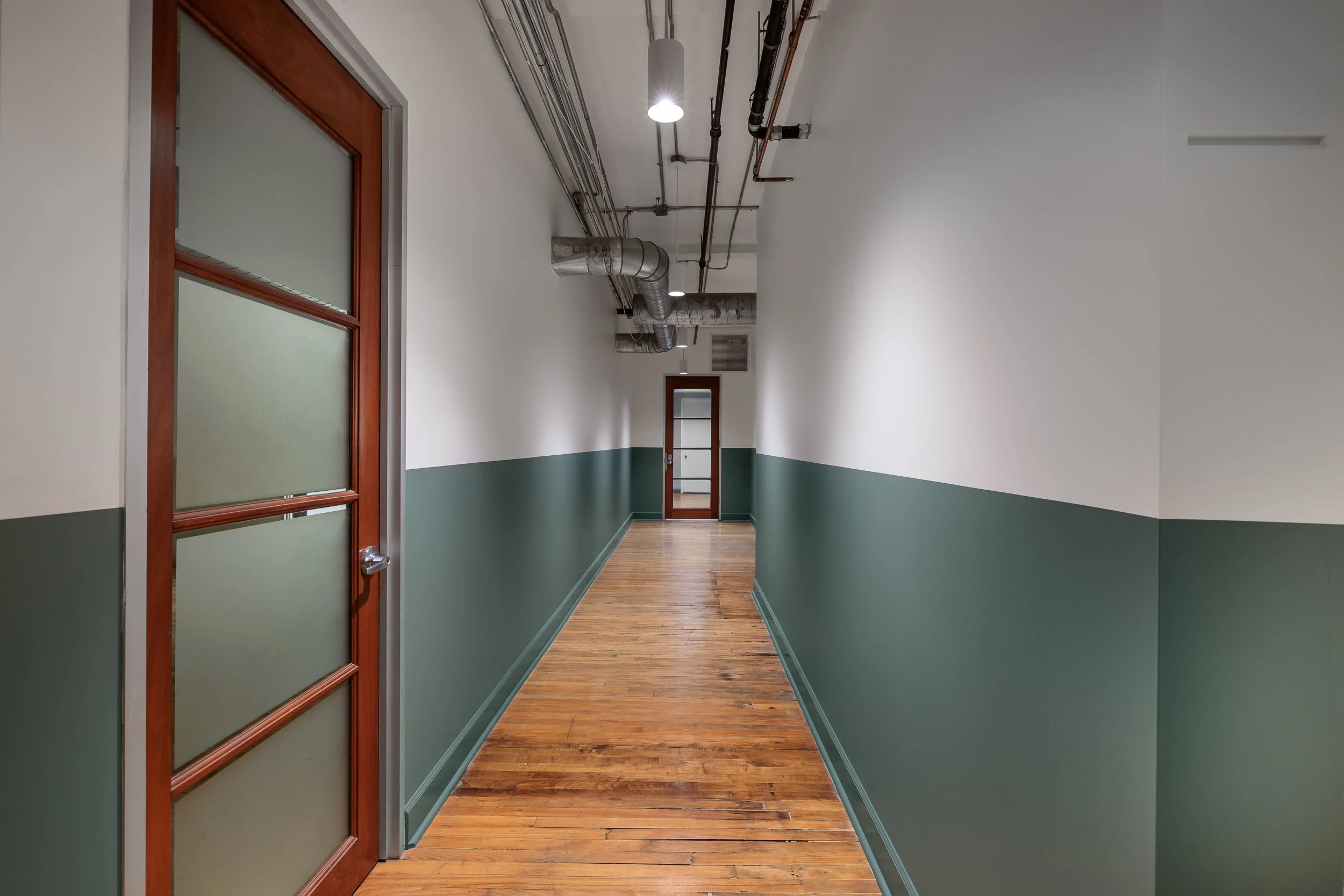
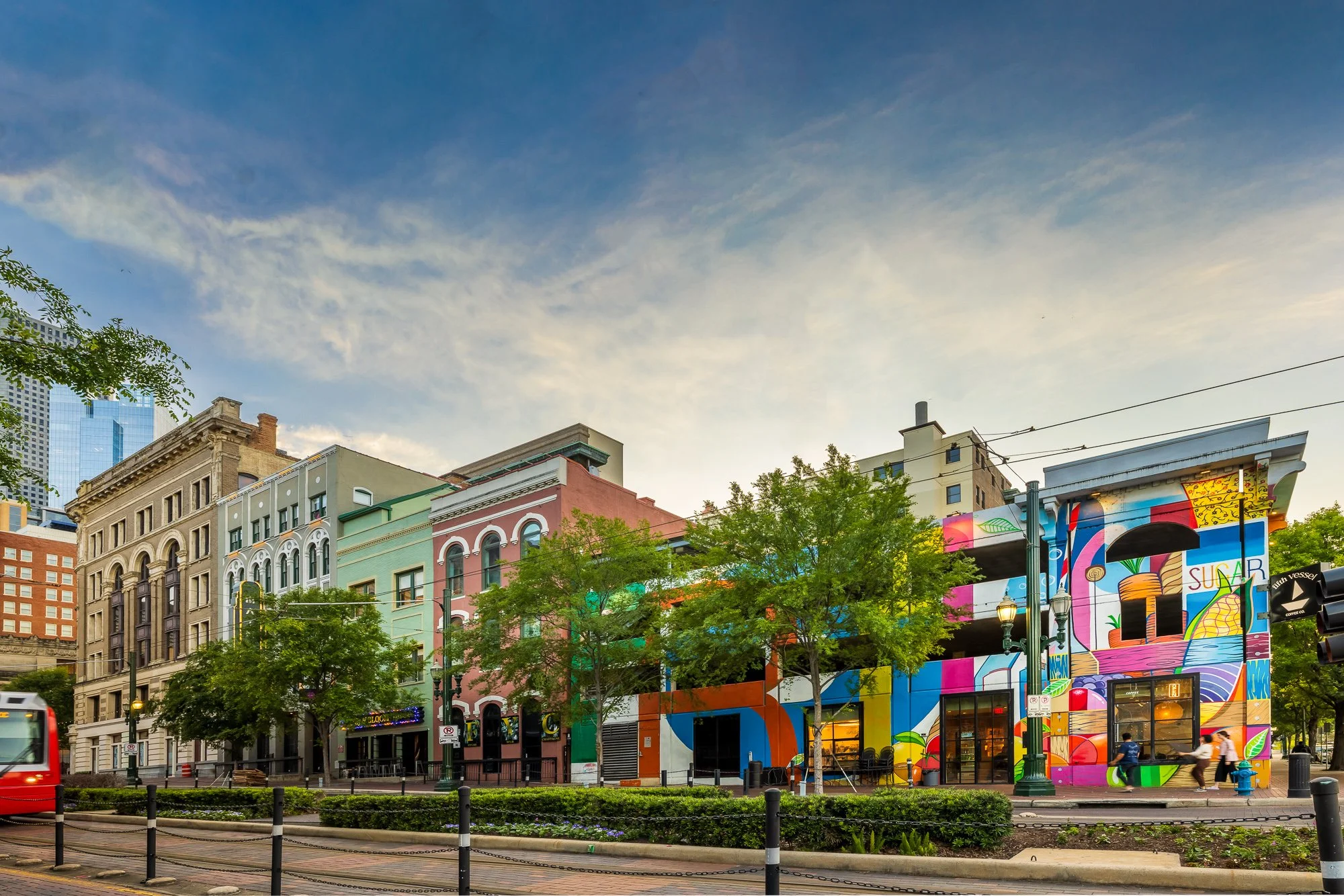
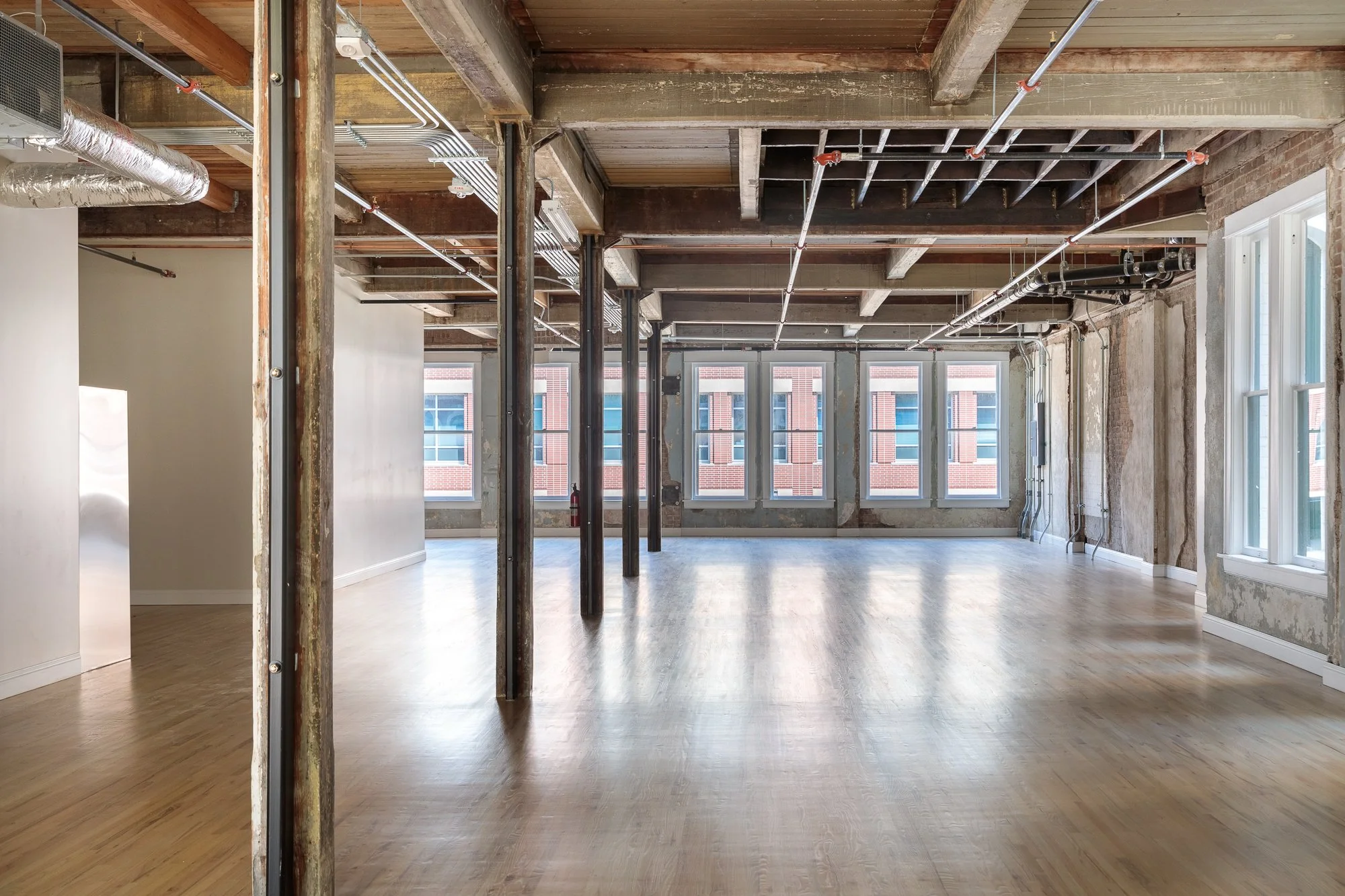
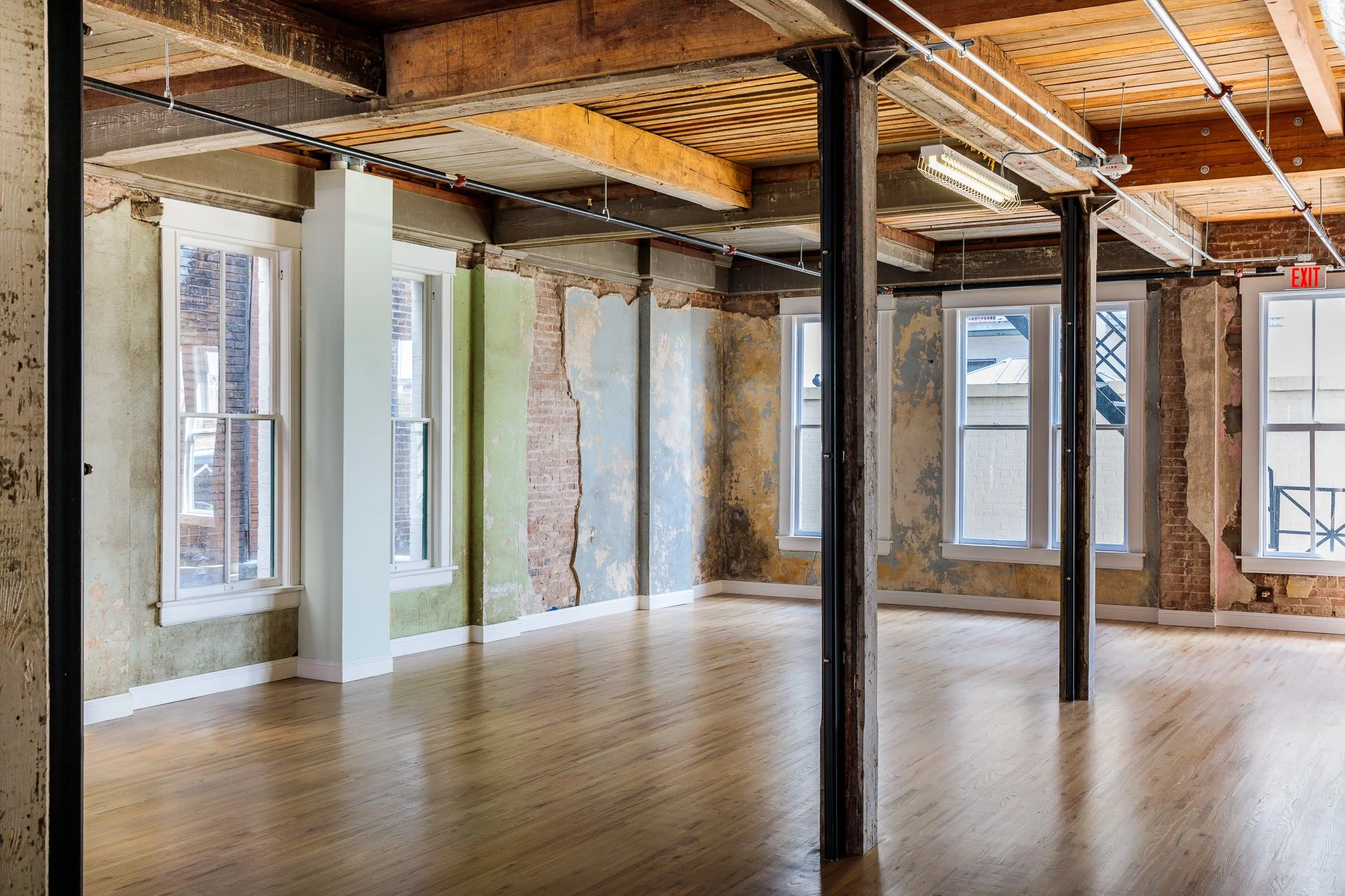
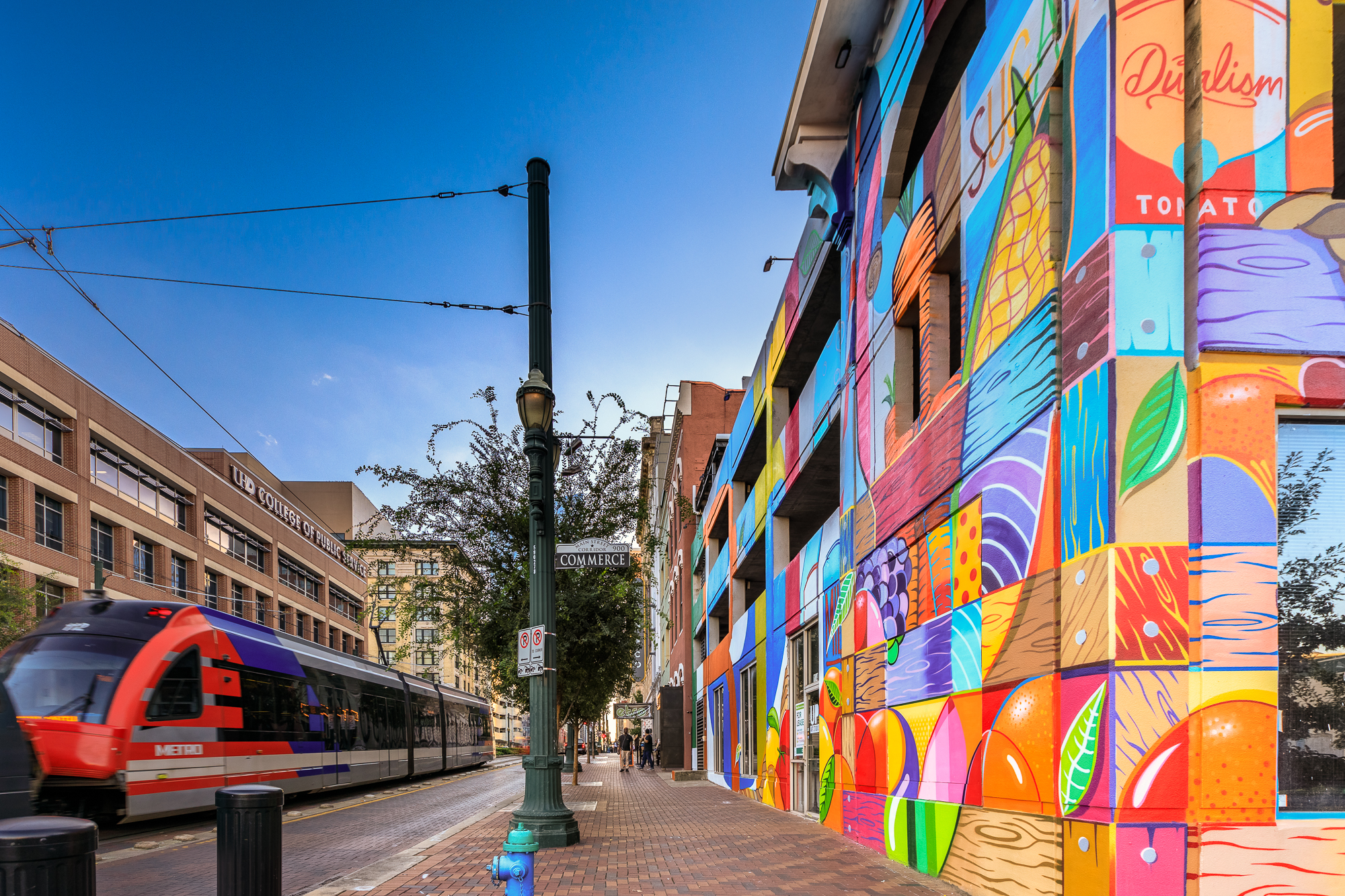
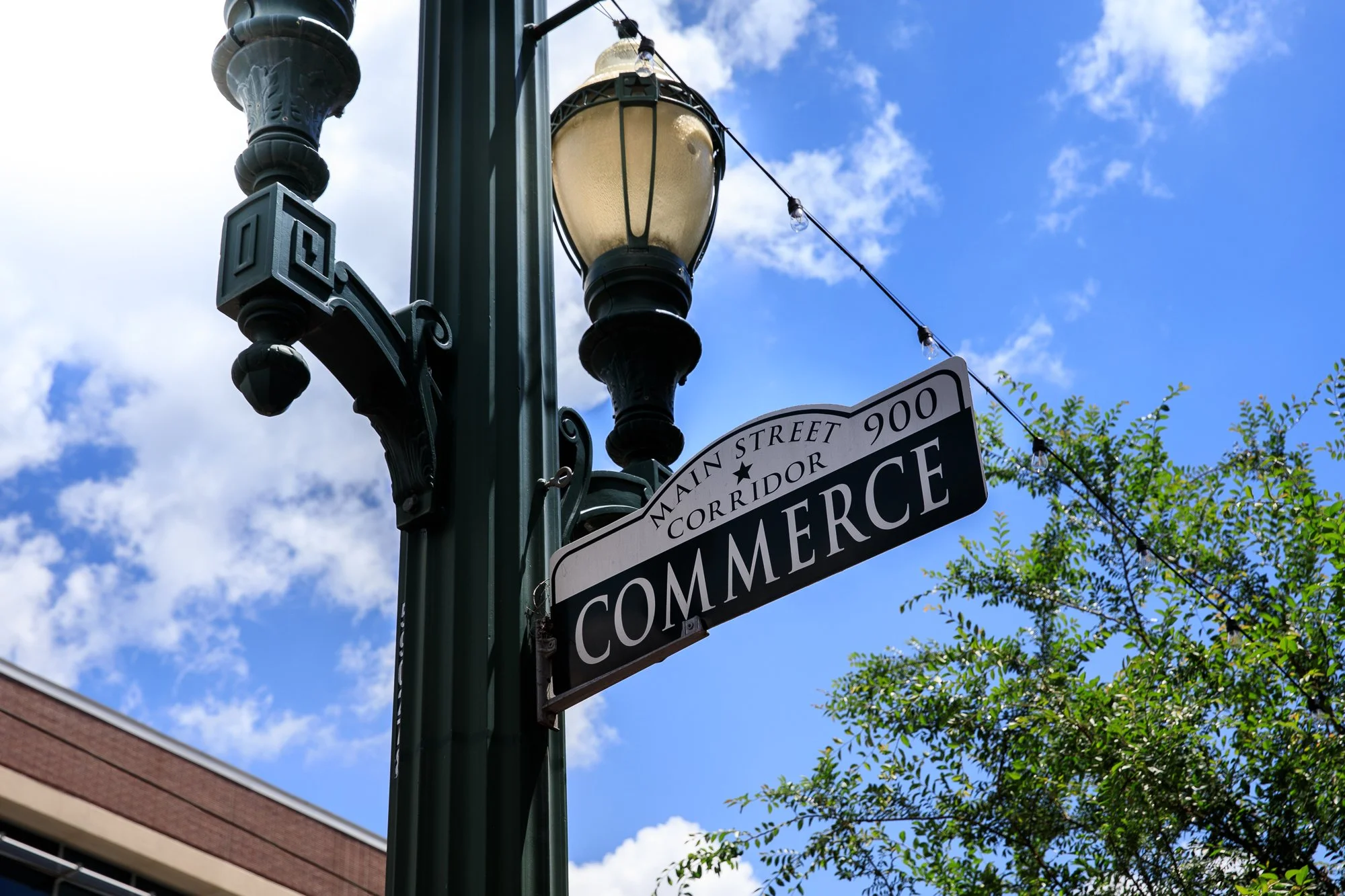
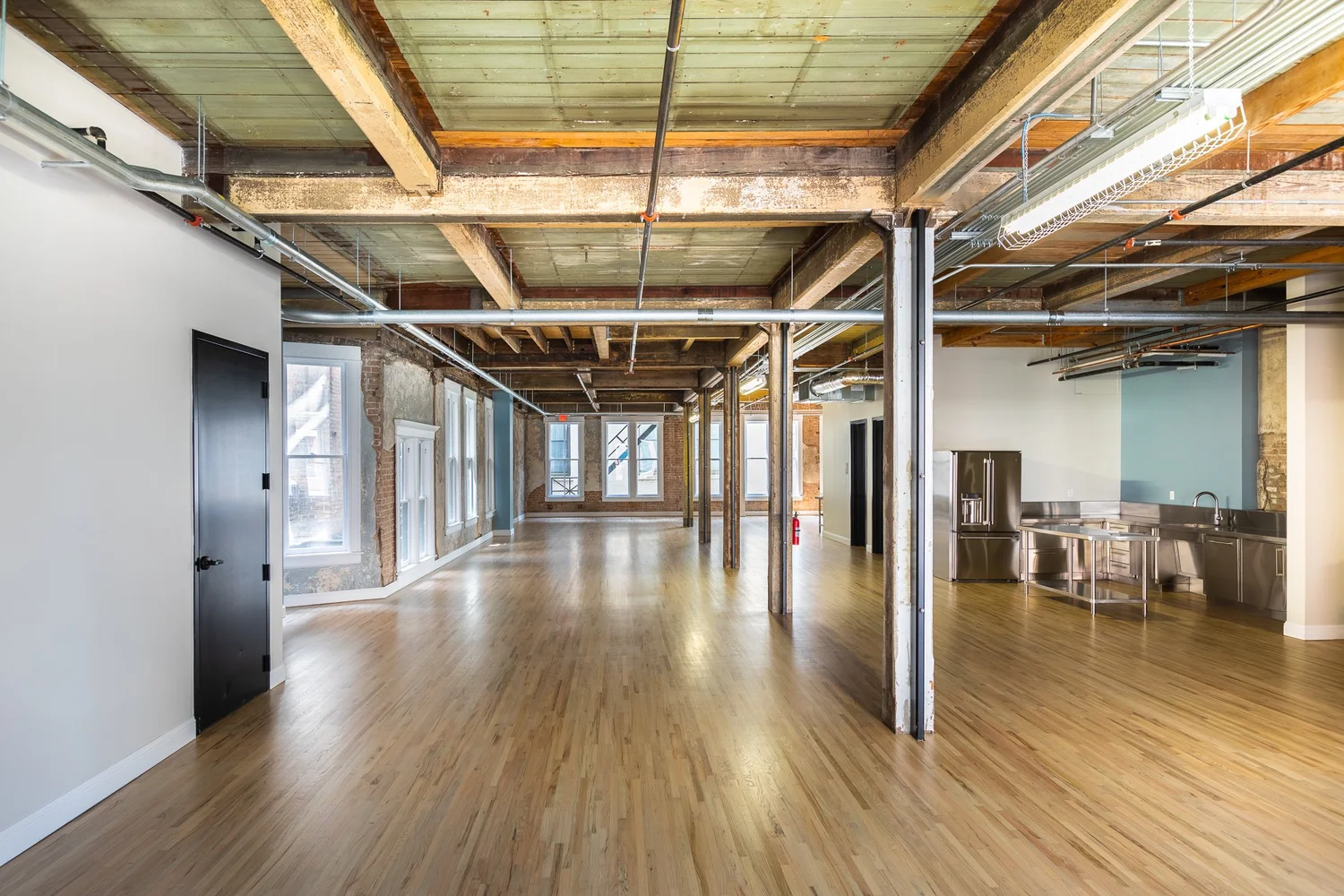
The Raphael and Dorrance buildings reopened in 2018, pairing restored brick, beams and hardwood floors with modern amenities and rooftop solar. DUAL’s 7,000-square-foot Produce Row mural followed, transforming the garage along Commerce Street into a tribute to Houston’s first farmers market.
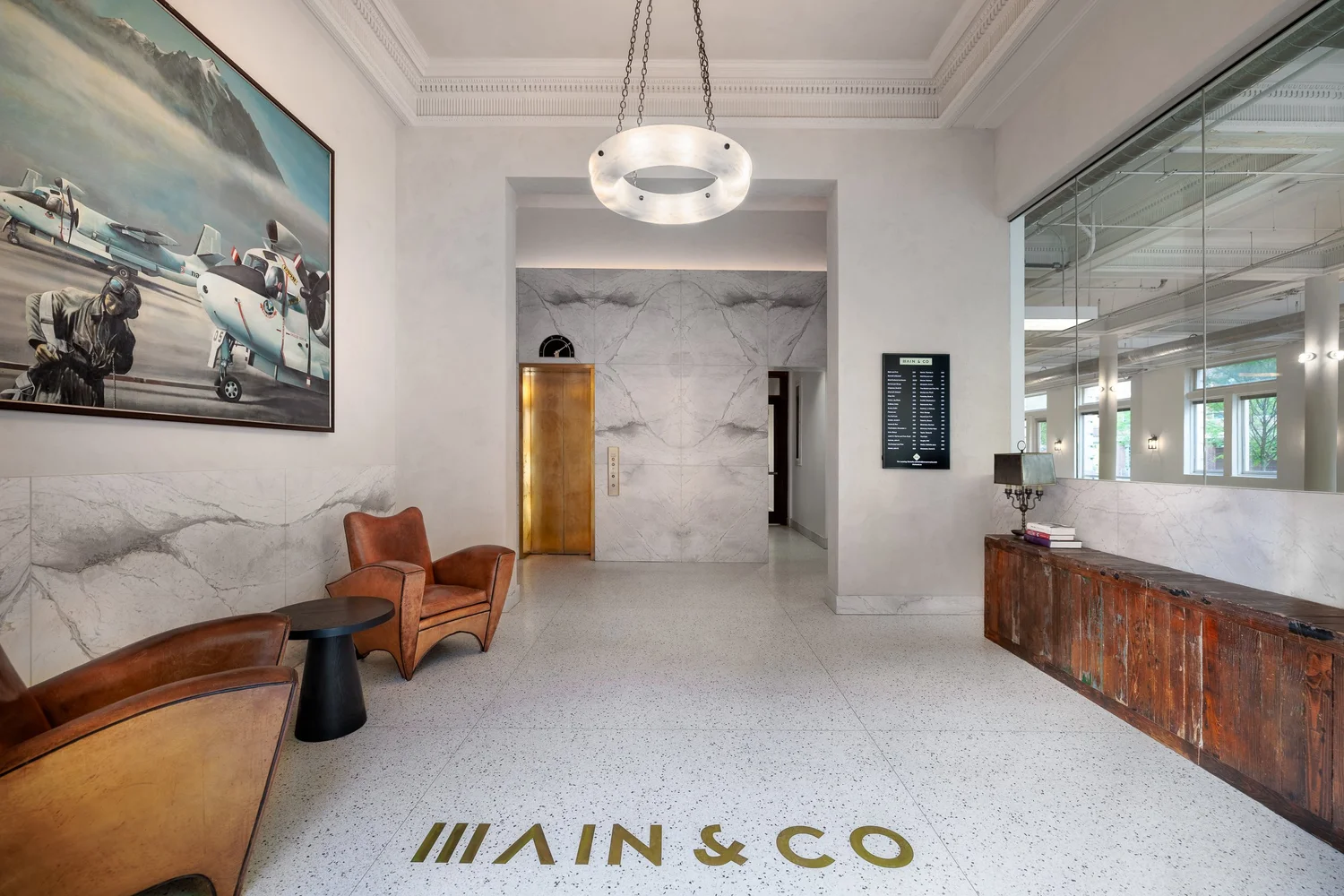
Built in 1904 as Commercial National Bank, 917 Franklin was one of the first skyscrapers in Houston’s original financial district. Acquired in 2023, it completed the Main&Co collection. Its restoration preserved the historic façade and original craftsmanship while bringing modern systems and contemporary art into the building’s next chapter.
Recognition
Houston Business Journal
Landmark Award · Main&Co Offices
Urban Land Institute
Development of Distinction · For-Profit Small Development
Privately held. Personally considered.
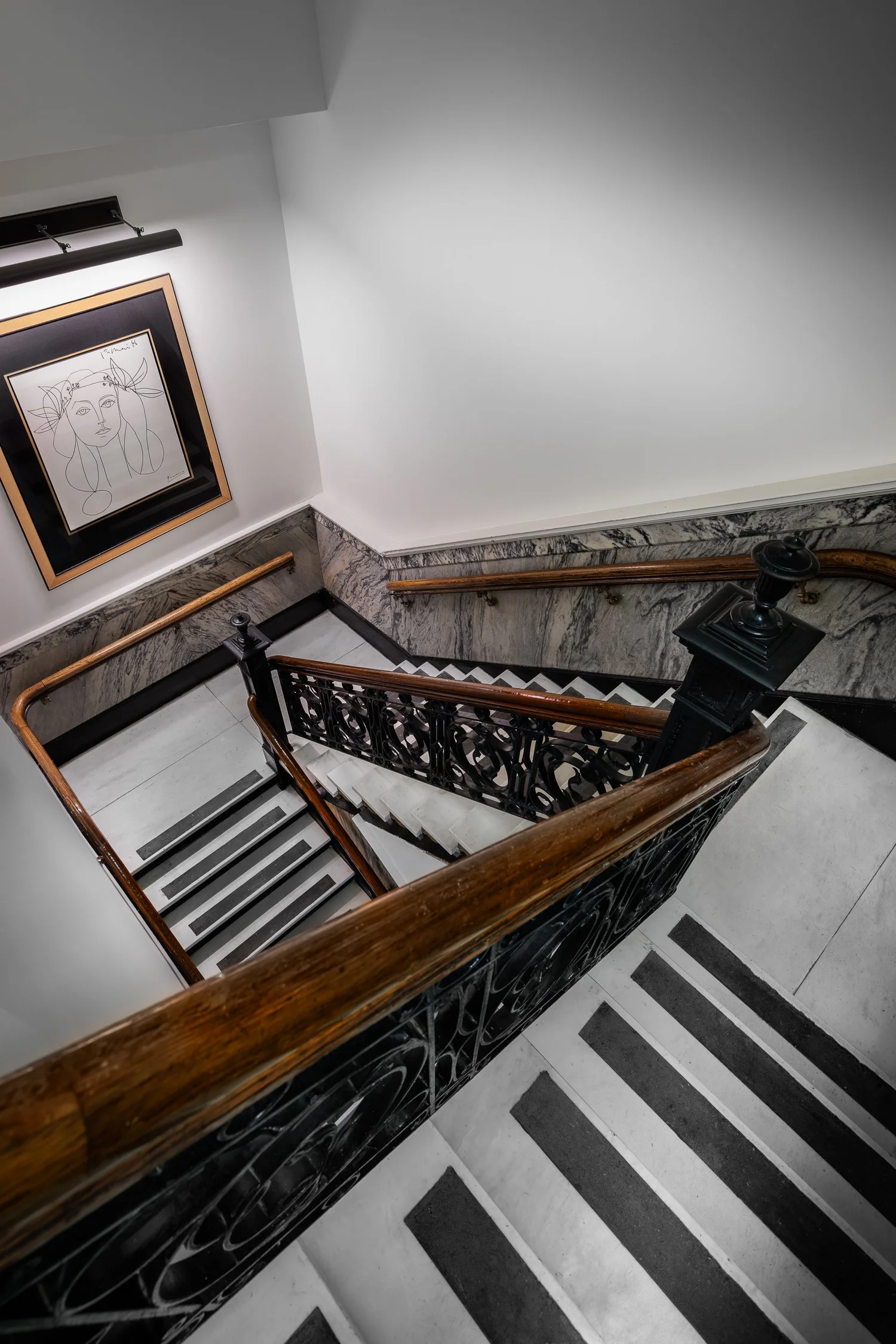
Keep the character.
Hang the Picasso.
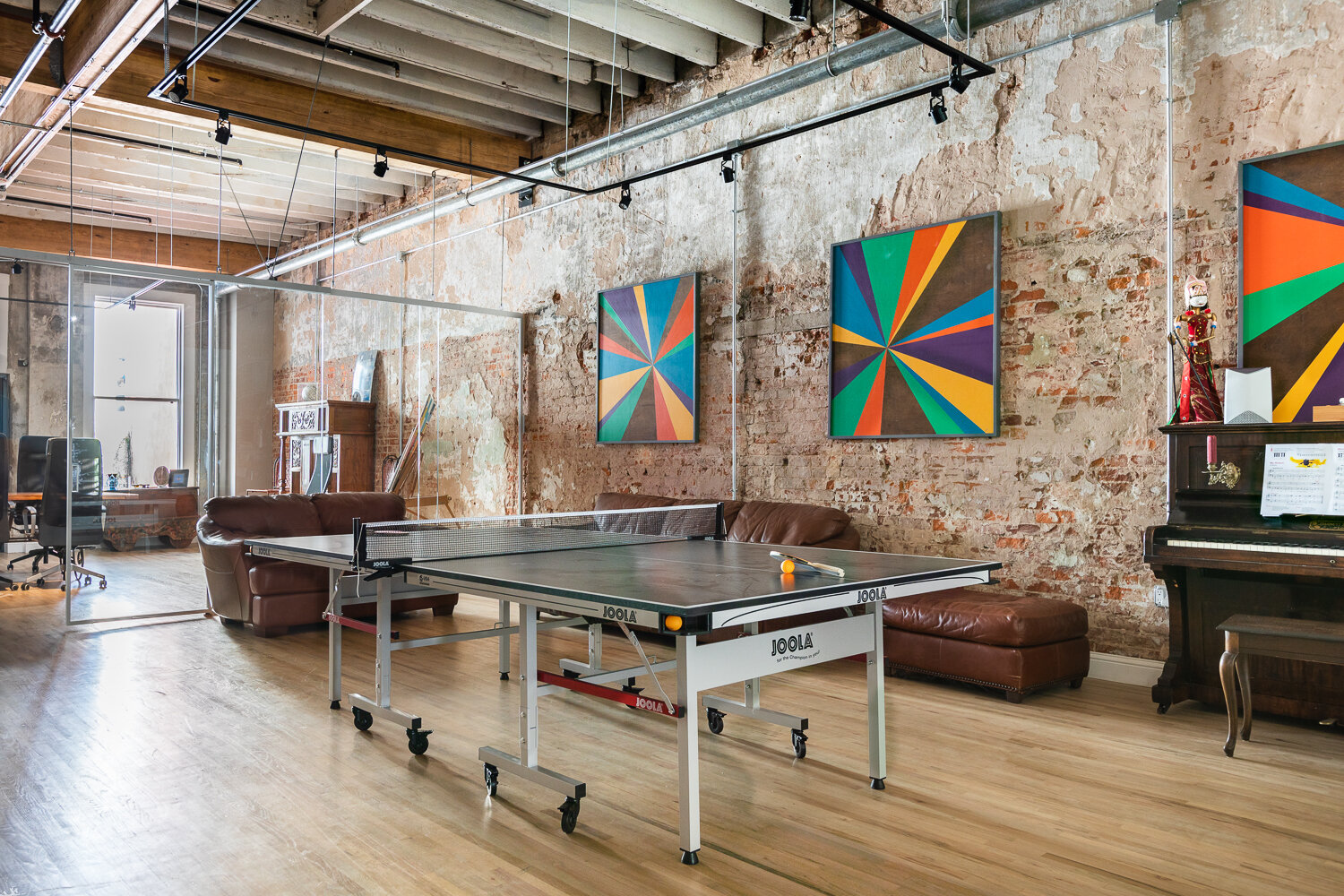
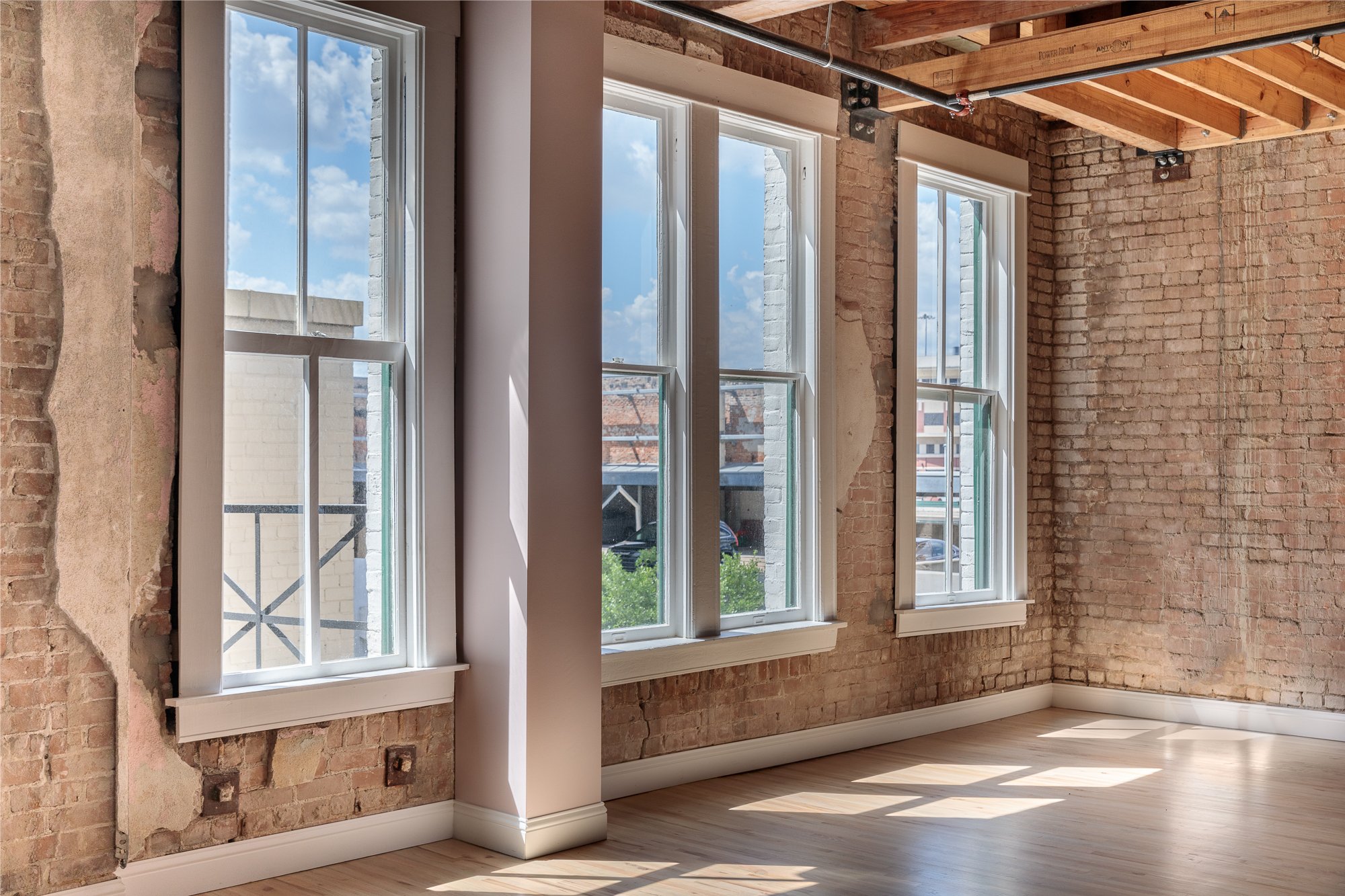
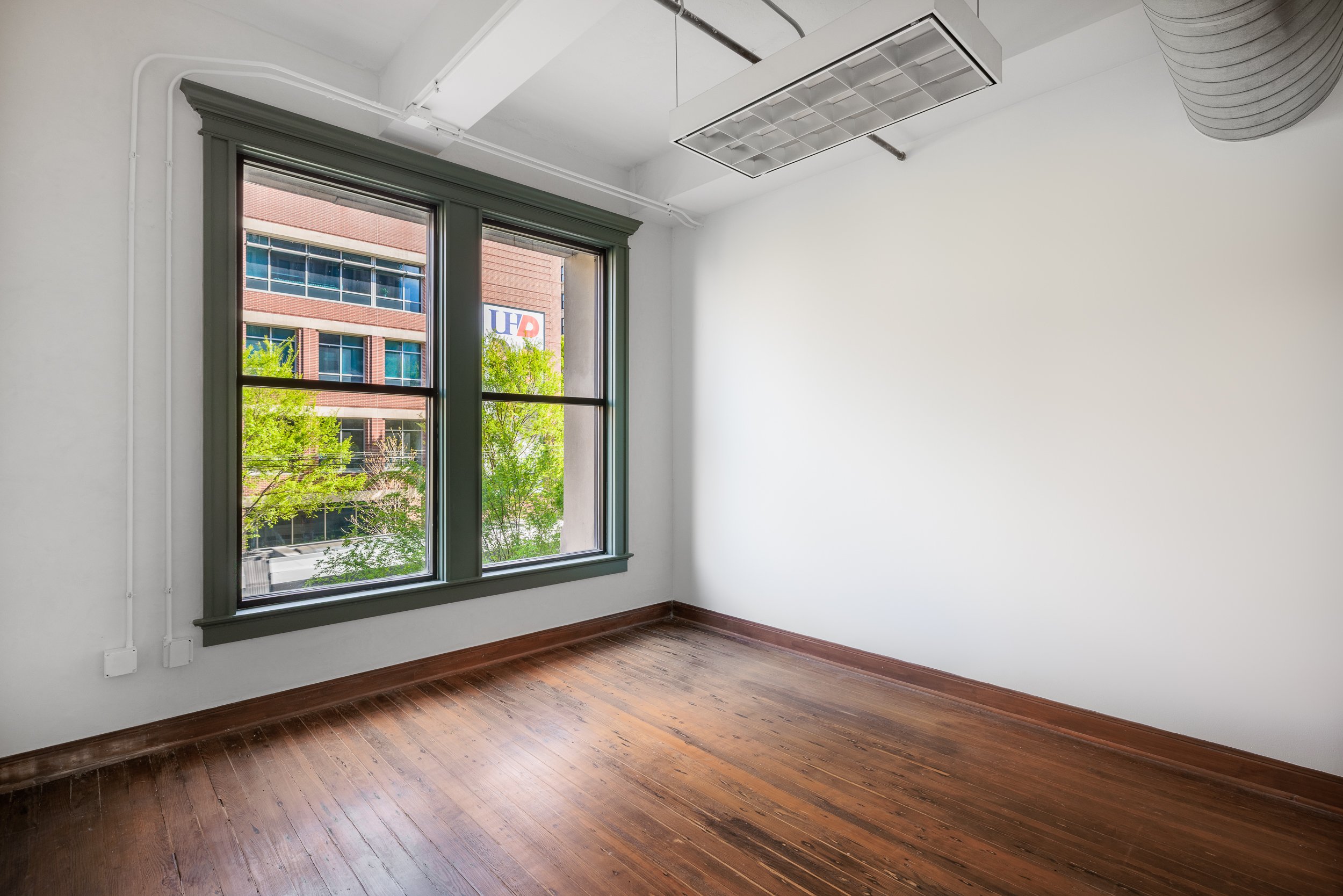
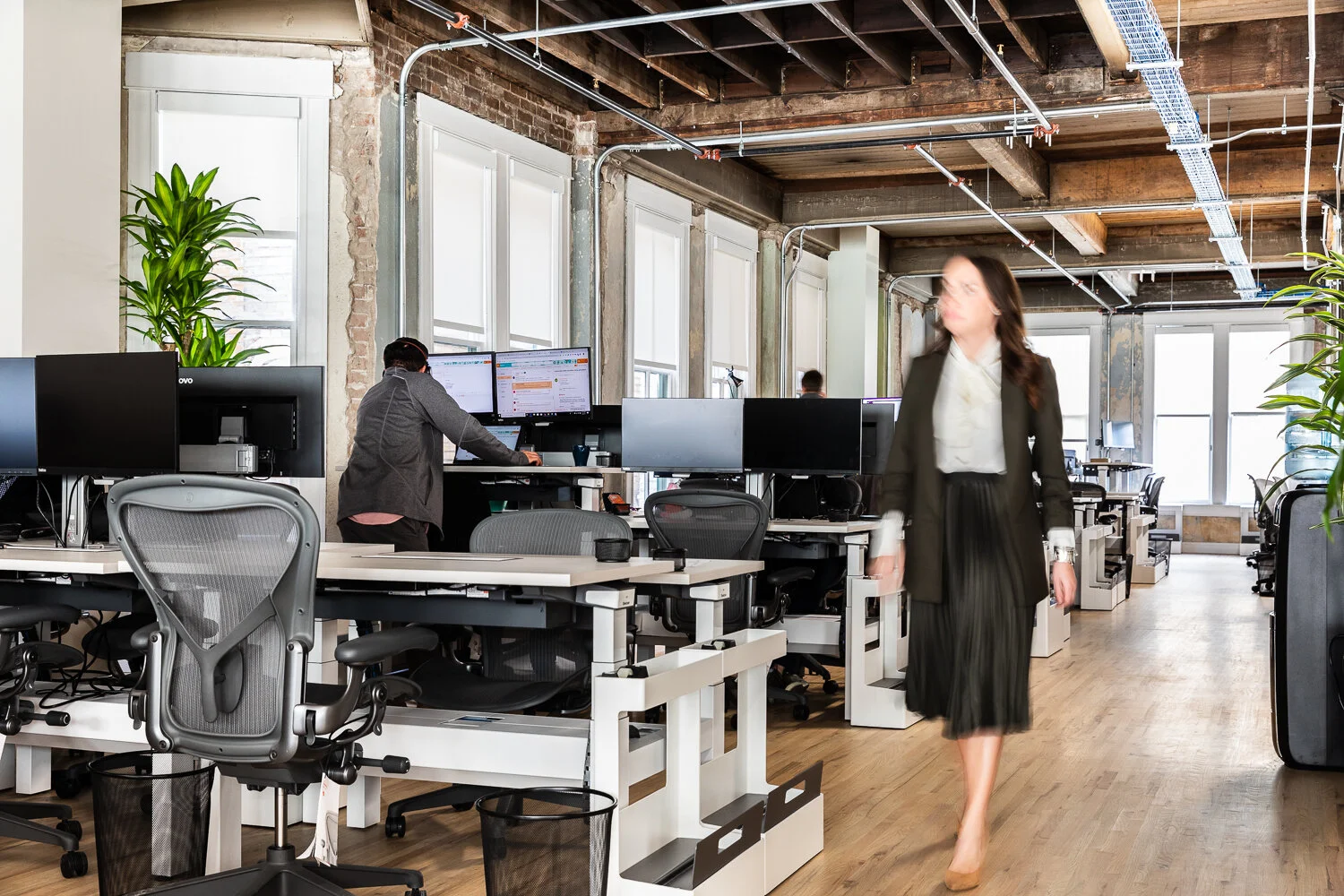
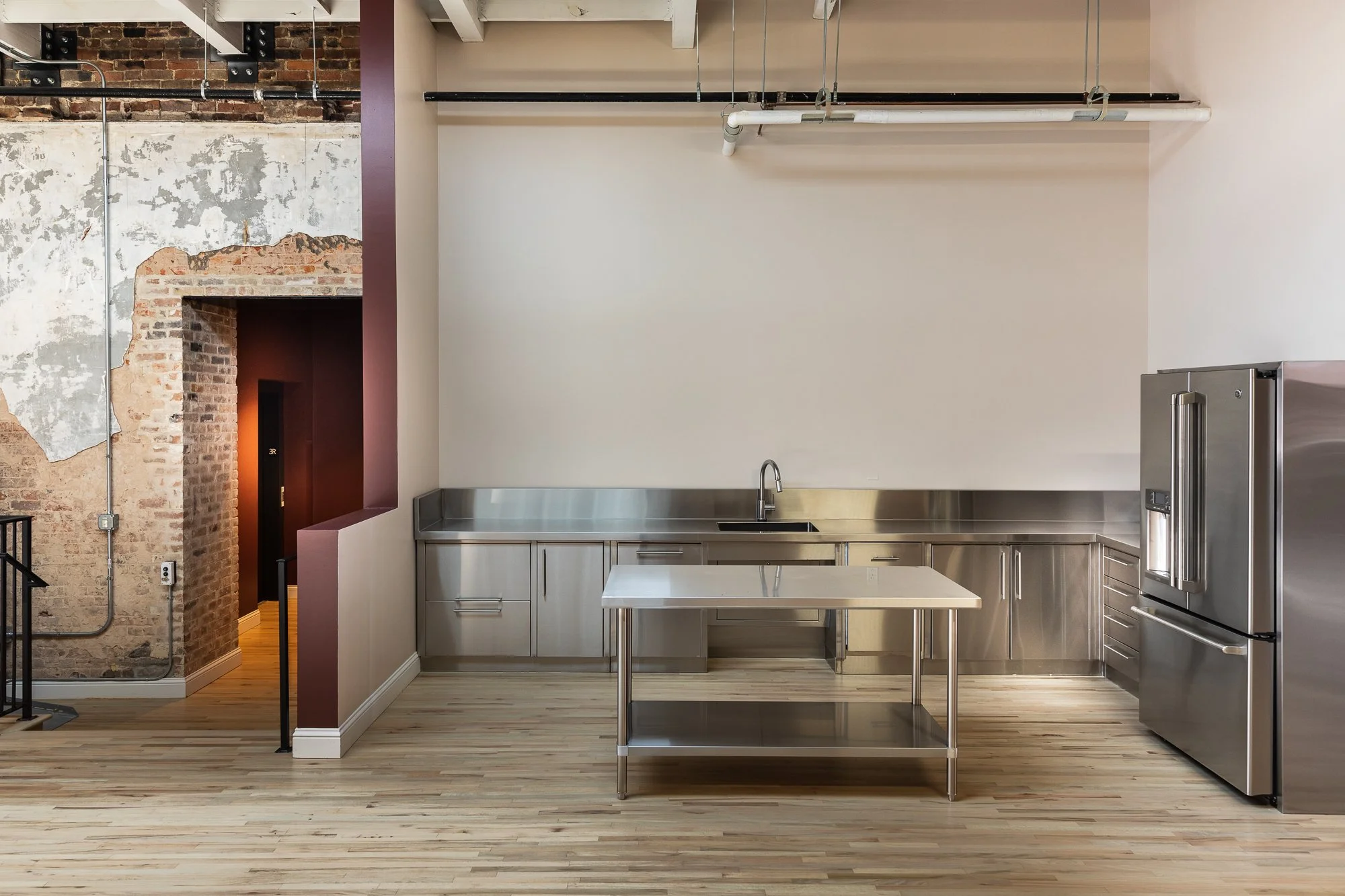
Original timber, masonry and plaster sit beside contemporary art. The restoration keeps the evidence of a working past visible—and gives it room for a new life.
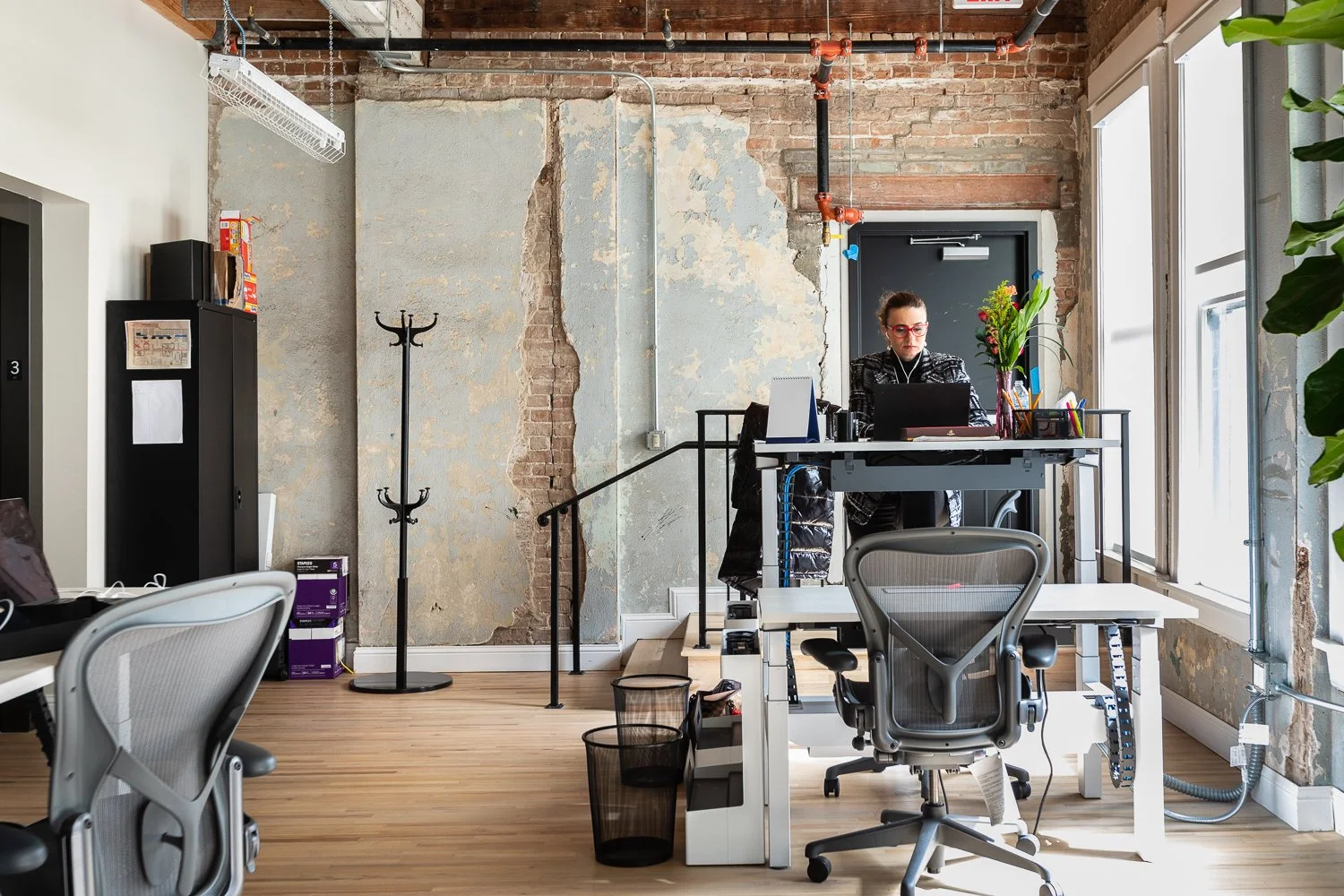
Individual entrances, generous daylight and unexpected details make these spaces personal. Long-term stewardship gives the collection its point of view.
Find your space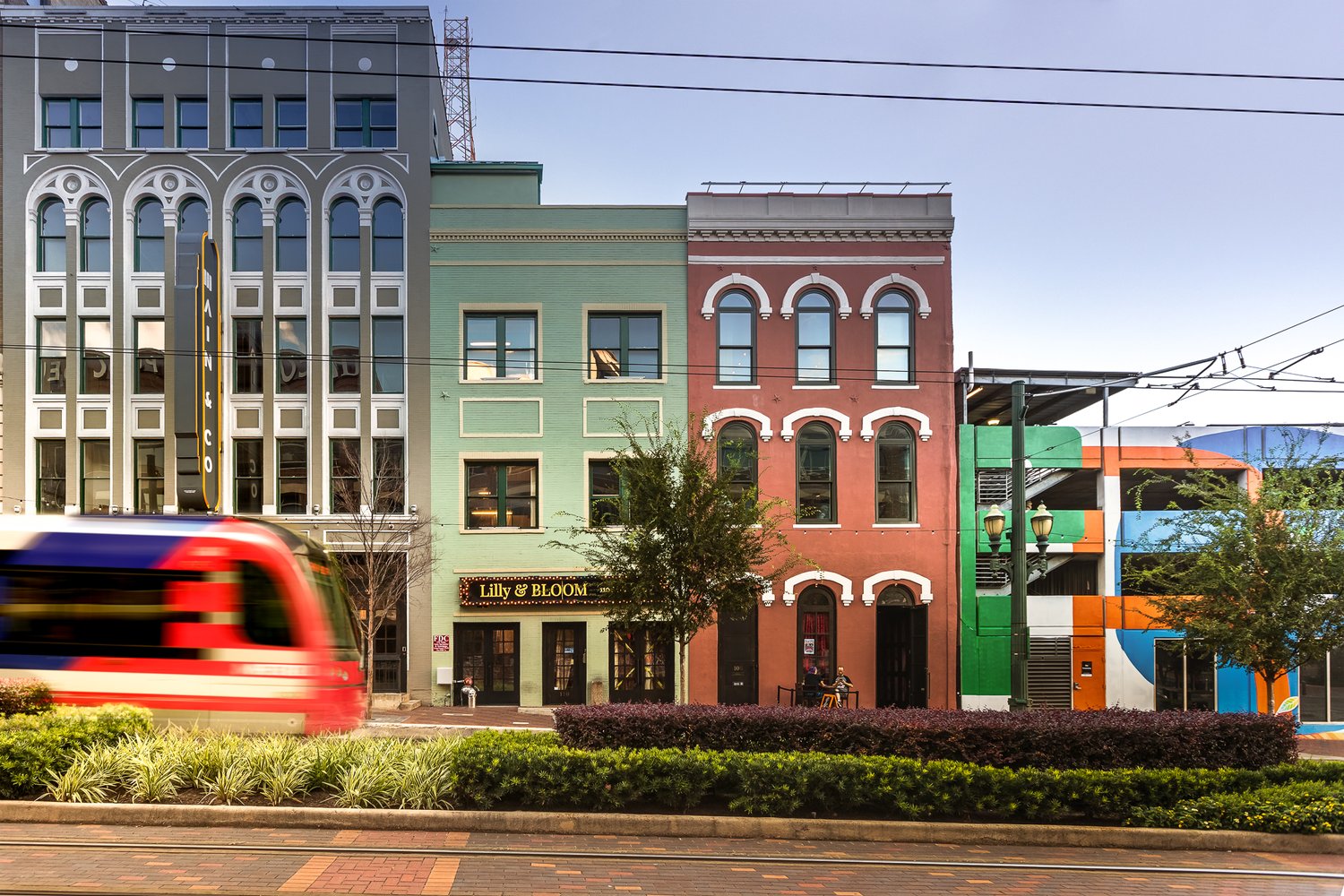
Open to the street
Four addresses.
One living block.
Offices, food, art and nightlife share the block without becoming interchangeable. Each building has its own front door. The city connects them.
Explore the neighborhood